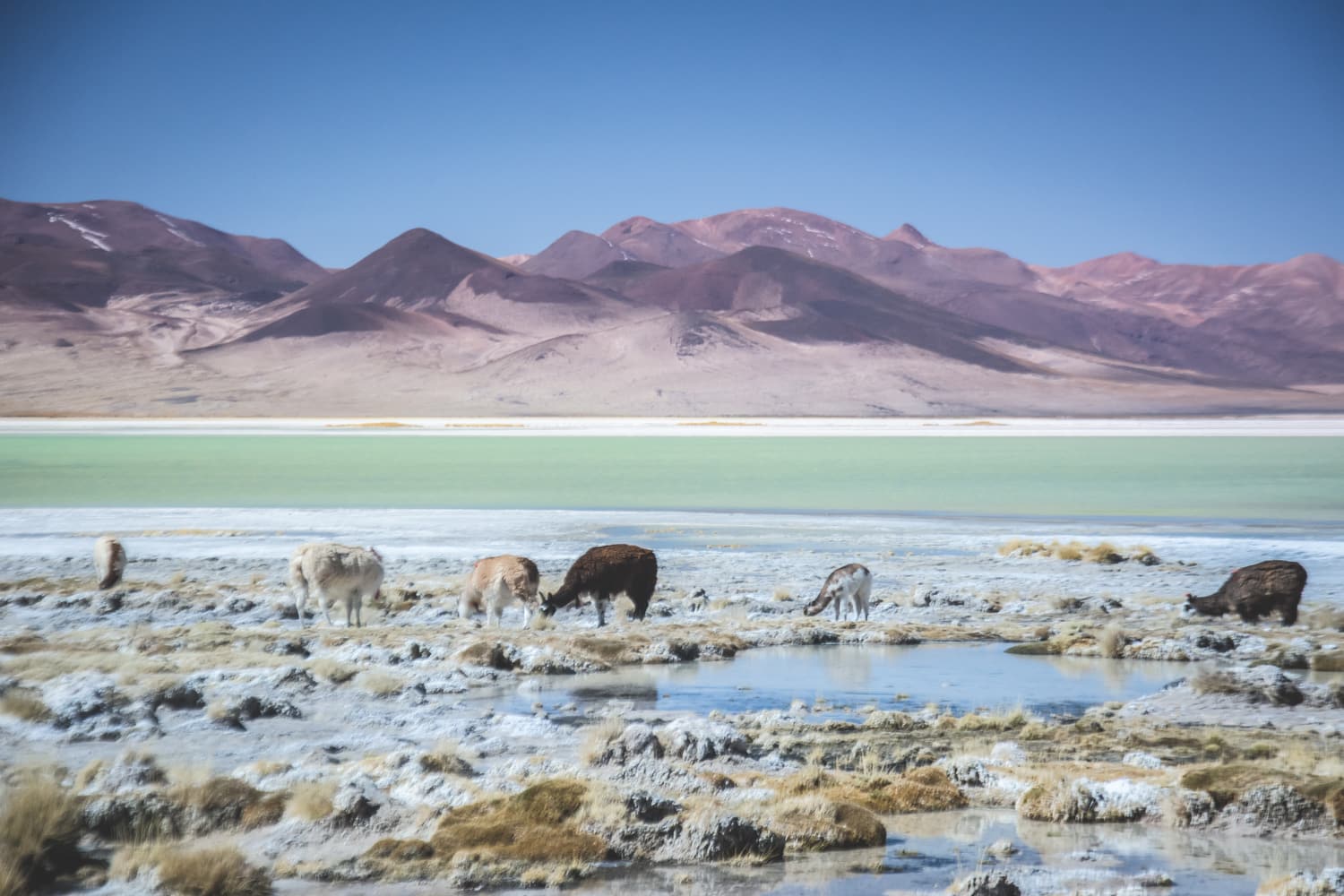
The Salar del Huasco lies in a closed basin of the altiplano at about 3,800 m, east of Pica. From the road above, it appears as a white-and-turquoise sheet in a bowl of ochre hills, with high Andean peaks behind. There are no villages on its shore, and on many days no other visitors at all.
The shallow lagoon and the springs that feed it support a surprising amount of life. All three South American flamingo species — Chilean, Andean and James’s — feed here, along with Andean geese, giant coots, vicuñas and the occasional rhea. The basin is a Ramsar wetland of international importance and has national-park protection.
Top things to do at Salar del Huasco
Take in the view from above
The road from Pica crests a ridge with the whole salt flat laid out below. Stop here first: it gives a sense of scale, and it is a good place to check how you are coping with the altitude before going further.
Look for flamingos and vicuñas
Tracks lead down towards the edge of the lagoon. Bring binoculars and keep your distance — flamingos are easily disturbed, especially when nesting. Early morning is best for wildlife and for still water that mirrors the hills.
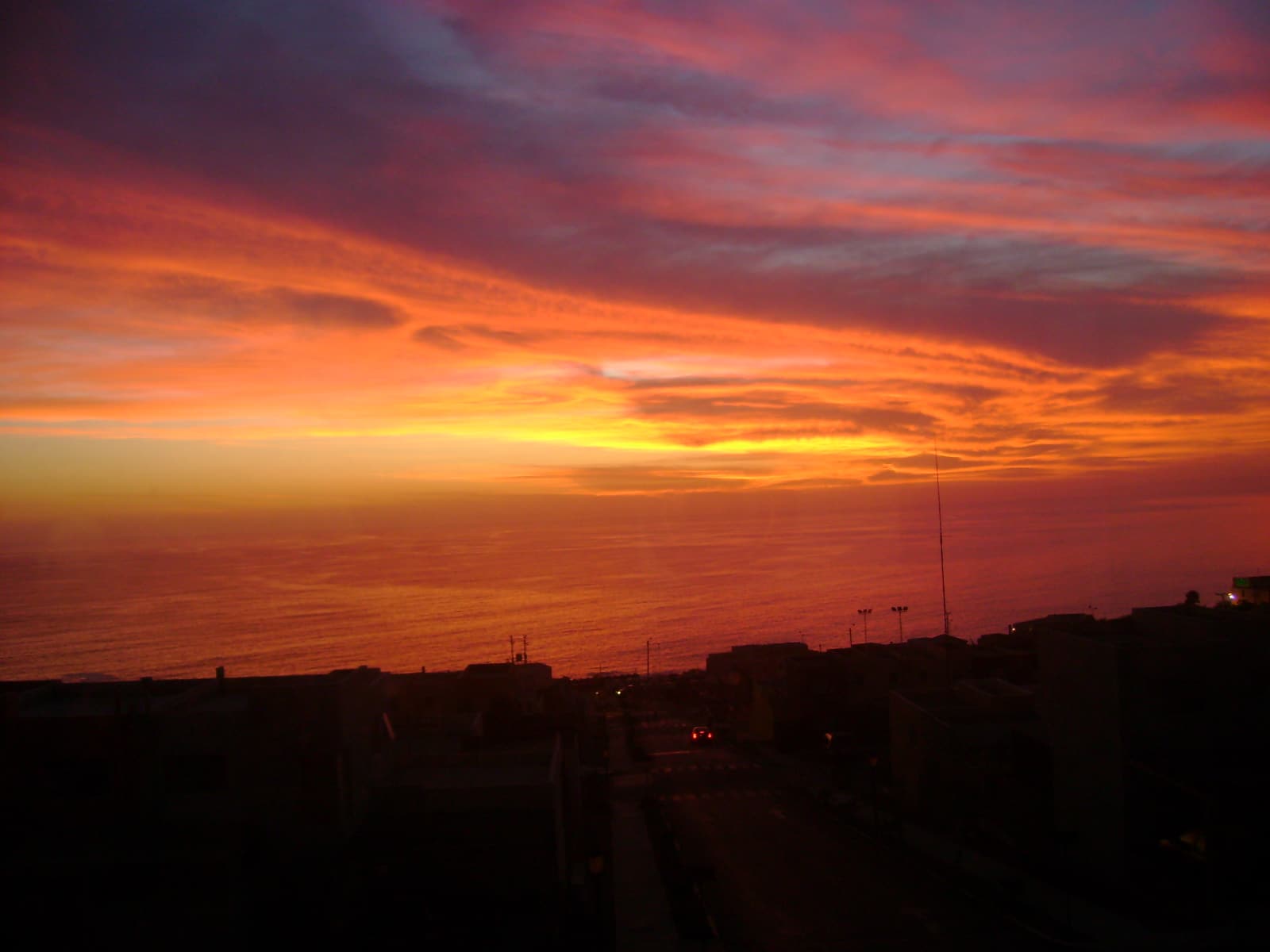
Stay for the sky
With no light pollution and thin, dry air, the night sky here is extraordinary. Camping is cold and exposed, and rules for protected areas apply; ask CONAF about current regulations before planning an overnight stay.
How to get to Salar del Huasco
- By car: the usual route climbs east from Pica, roughly 60 km on to the salar; from Iquique allow about three hours each way. A high-clearance vehicle is advisable and four-wheel drive is useful, particularly after rain or snow.
- On a tour: some Iquique agencies run 4x4 day trips. Nothing to Huasco is currently listed on GetYourGuide; the comparable organised altiplano days are from Arica or San Pedro de Atacama.
- Public transport: none.
Insider tips
- You go from sea level to 3,800 m in a few hours. Headache, breathlessness and nausea are common. Move slowly, drink water, avoid alcohol, and descend if symptoms worsen. If you have heart or lung problems, ask your doctor first.
- Fill up in Pozo Almonte or Pica and carry spare water, food and warm clothing. There is no fuel, shop or reliable phone signal.
- Between about January and March, summer storms known as the invierno altiplánico can bring rain, lightning and washed-out tracks. Check conditions before you set off.
- Temperatures fall well below freezing at night all year.
Bookable experiences to pair with Salar del Huasco
GetYourGuide’s Iquique catalogue is small, so these are the real, bookable experiences that fit best around a visit to Salar del Huasco:
 Full-day expedition from US$639
 Iquique: Red Lagoon Tour
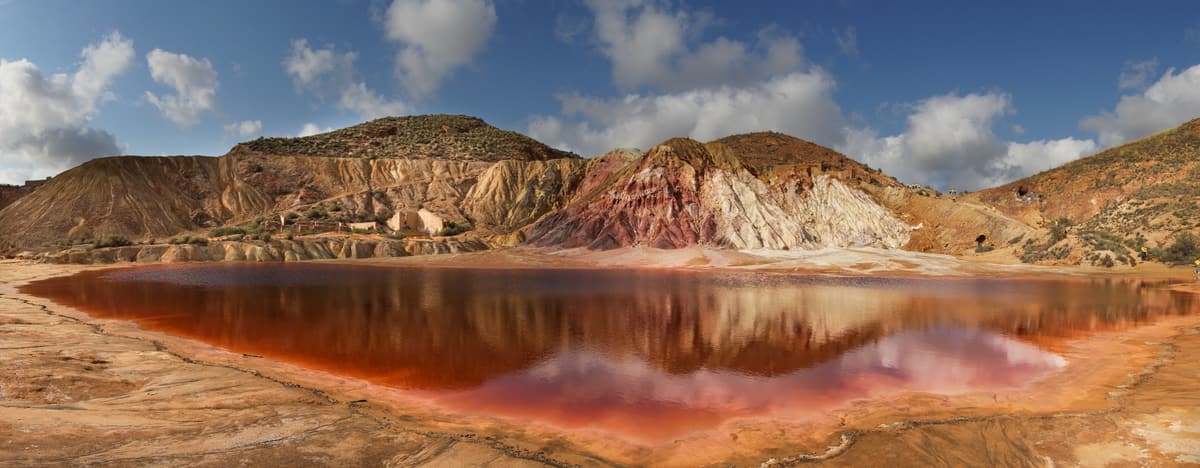
The only full-day highland excursion from Iquique currently listed on GetYourGuide: a 16-hour small-group trip to the remote, mineral-coloured Red Lagoon. It is by far the most expensive product on this page and a new listing without reviews, and it climbs to high altitude — read the details carefully before you book.
- A very long day into the high Andes
- Coloured lagoons including the Red Lagoon
- Small group, meal included, pickup available
 Day trip from US$123
 Arica: Sightseeing Tour of Lauca National Park and Lake Chungará
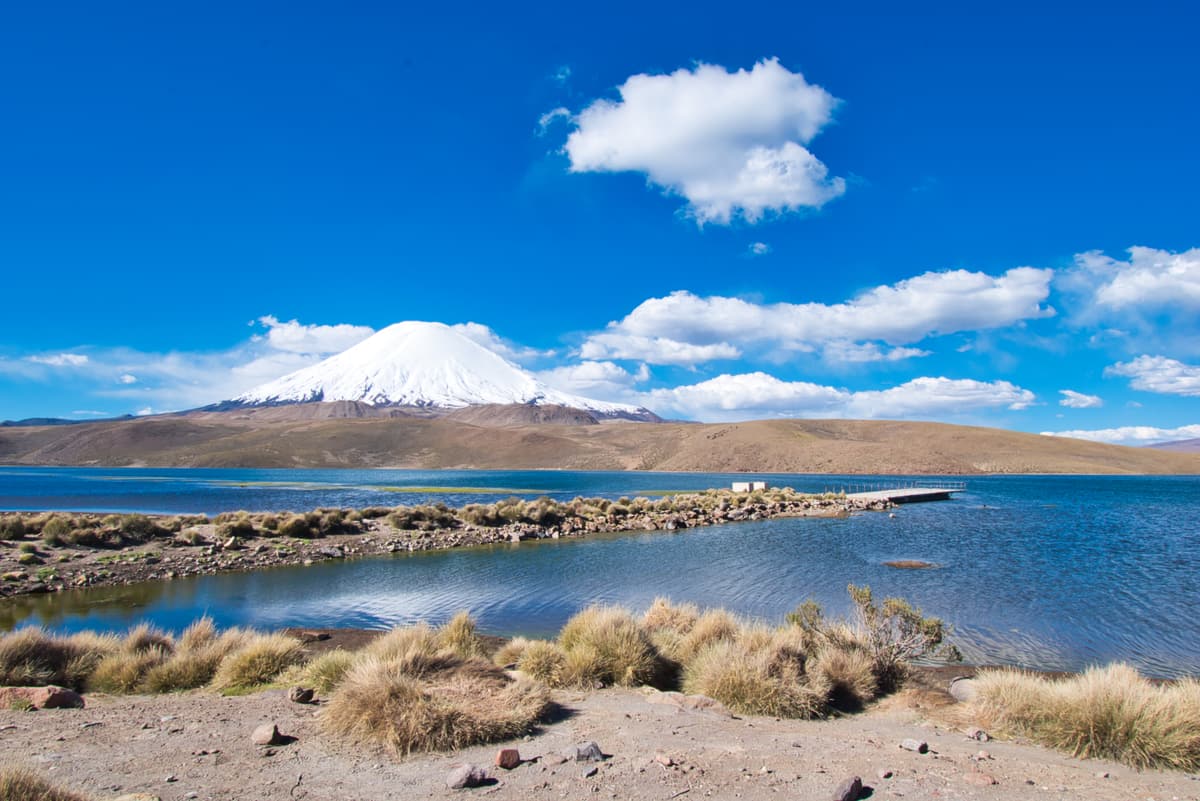
The classic altiplano day trip of the far north, and the easiest organised way to see high-Andean lakes and volcanoes if you are travelling between Iquique and Arica. Departs from Arica and reaches well over 4,000 m, so give yourself time at altitude first if you can.
- Lake Chungará beneath the Parinacota volcano
- The altiplano village of Parinacota
- Vicuñas, flamingos and other Andean wildlife
 Day trip from US$86
 Piedras Rojas, Altiplanic Lagoons & Salar Full-Day Tour
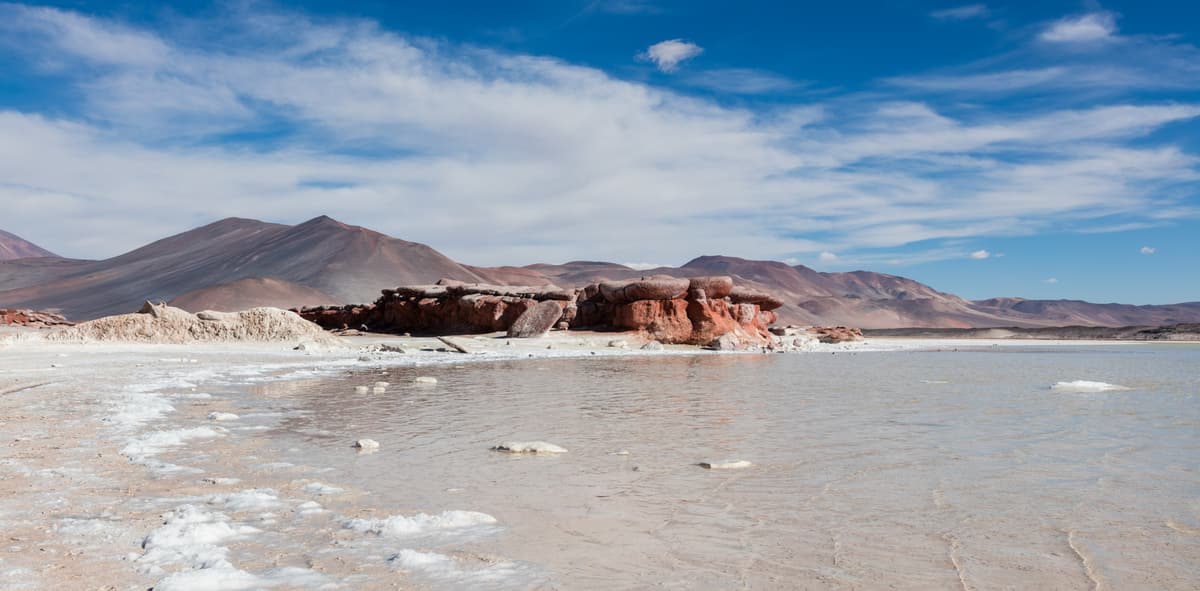
A full day among high lagoons, volcanoes and salt flats south of San Pedro de Atacama, with meals included. If the altiplano behind Iquique is out of reach without your own vehicle, this is the easiest organised way to see the same kind of landscape.
- Miscanti and Miñiques lagoons
- The red rocks of the Salar de Talar
- The village of Socaire; meals included