Tarapacá is a region of three strips. On the coast, Iquique itself: beaches, a dune and a timber old town. Up on the pampa, a thousand metres higher, the bare plain where the saltpeter works stood, with oases and ancient geoglyphs along its edges. And above that the altiplano, a cold, bright world of salt flats, volcanoes and llama herders. These are the ten places we would build an itinerary around, each with its own guide.
Things to See in & Around Iquique
Ten places that take you from the Pacific surf to Aymara villages at nearly 4,000 metres.
Iquique city & coast
 Iquique city & coast
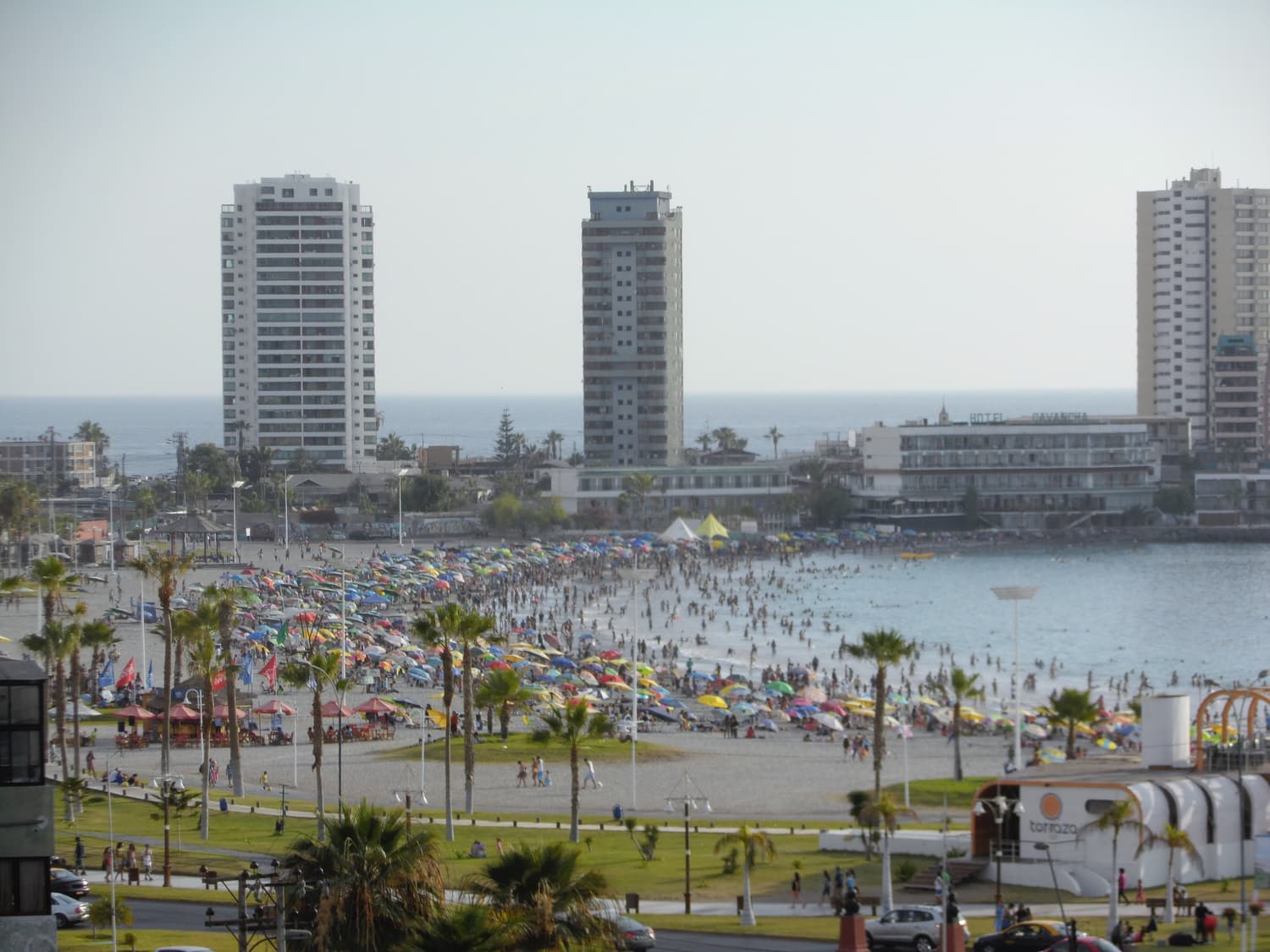
 Playa Cavancha
The city beach with a desert behind it
A long curve of sand in the middle of the city, sheltered by the Cavancha peninsula and backed by palms, a landscaped promenade and a wall of apartment towers. It is the calmest swimming beach in Iquique and the centre of local life from morning joggers to sunset.
 Iquique city & coast
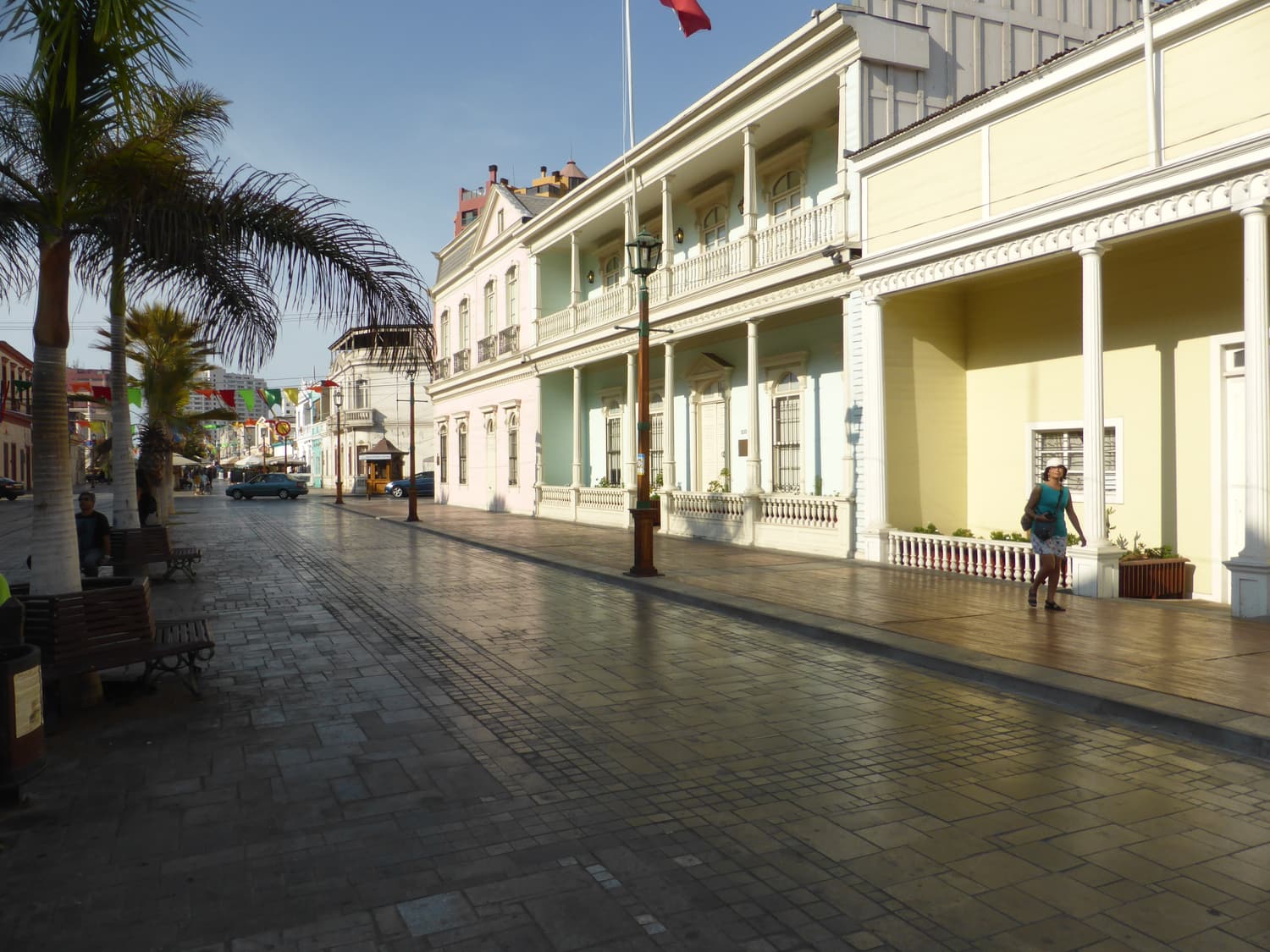
 Paseo Baquedano & Plaza Prat
A timber boulevard from the nitrate boom
Iquique’s historic core: a pedestrian street of balconied wooden mansions built with nitrate money between about 1880 and 1920, ending at a square with a white clock tower, a 19th-century theatre and a Moorish-style social club. It is a protected heritage zone and the best walk in the city.
 Iquique city & coast
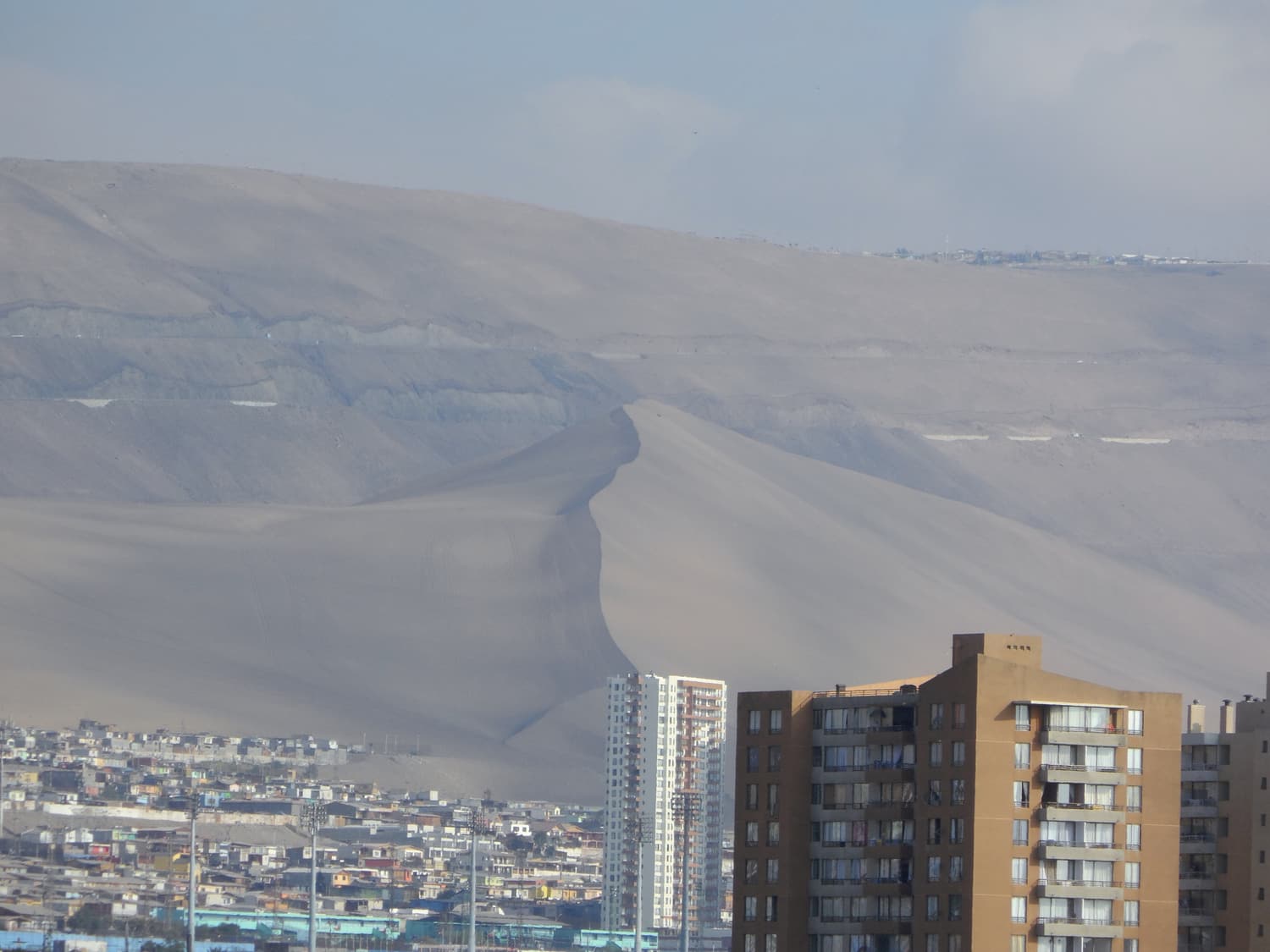
 Cerro Dragón
A giant dune inside the city
A ridge of sand about four kilometres long that rises between Iquique and the coastal cliff, protected as a nature sanctuary. Paragliders launched from Alto Hospicio drift over it almost every day of the year, and its slopes are where the city goes sandboarding.
 Iquique city & coast
 Corbeta Esmeralda Museum
Chile’s most famous ship, rebuilt
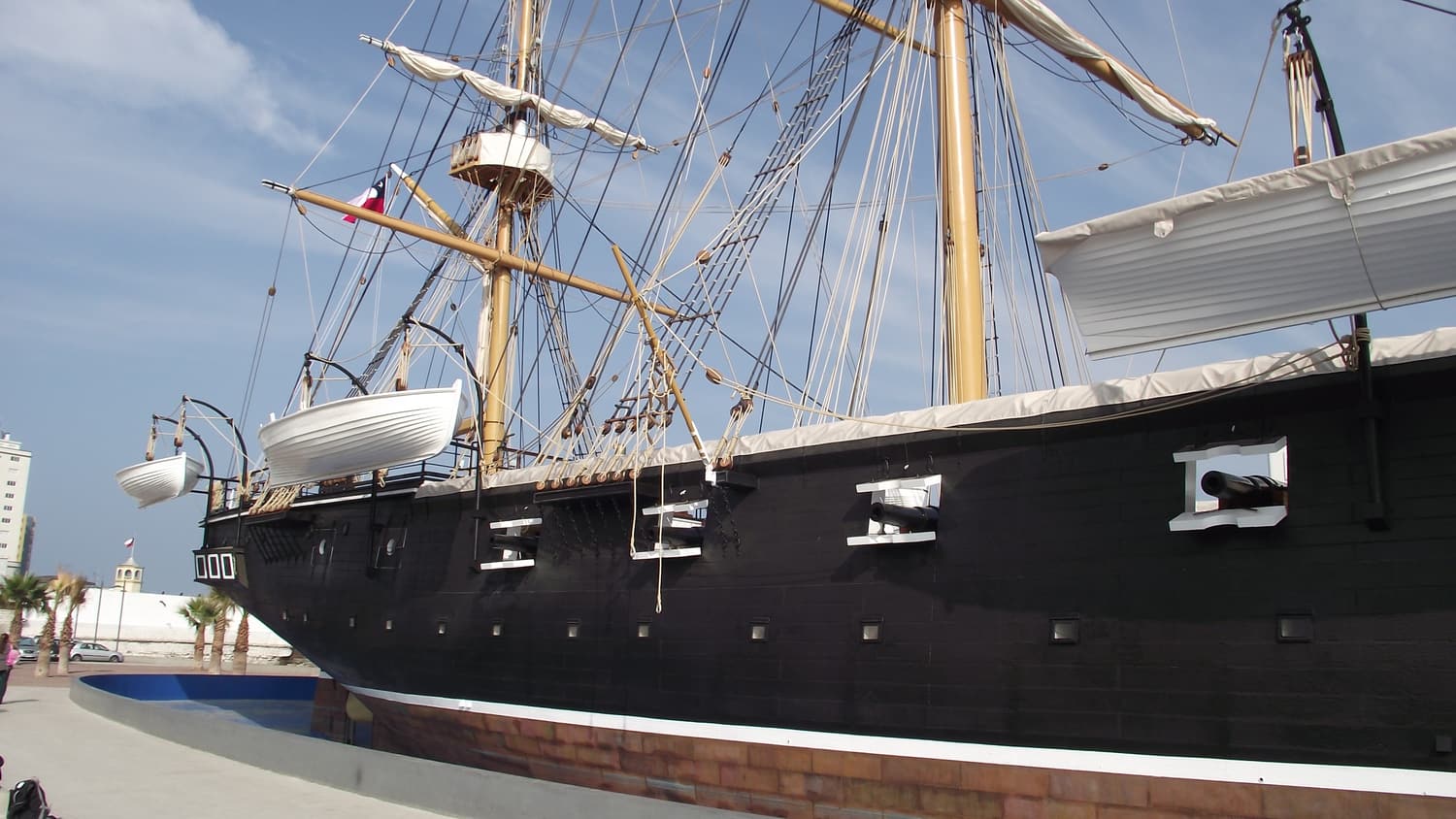
A full-scale replica of the wooden corvette Esmeralda, sunk in Iquique bay by the Peruvian ironclad Huáscar on 21 May 1879. Guided visits take you through the decks as they were on the morning of the battle in which Captain Arturo Prat became Chile’s great naval hero.
The pampa: saltpeter towns, oases & geoglyphs
 The pampa: saltpeter towns, oases & geoglyphs
 Humberstone & Santa Laura
UNESCO ghost towns of the saltpeter age
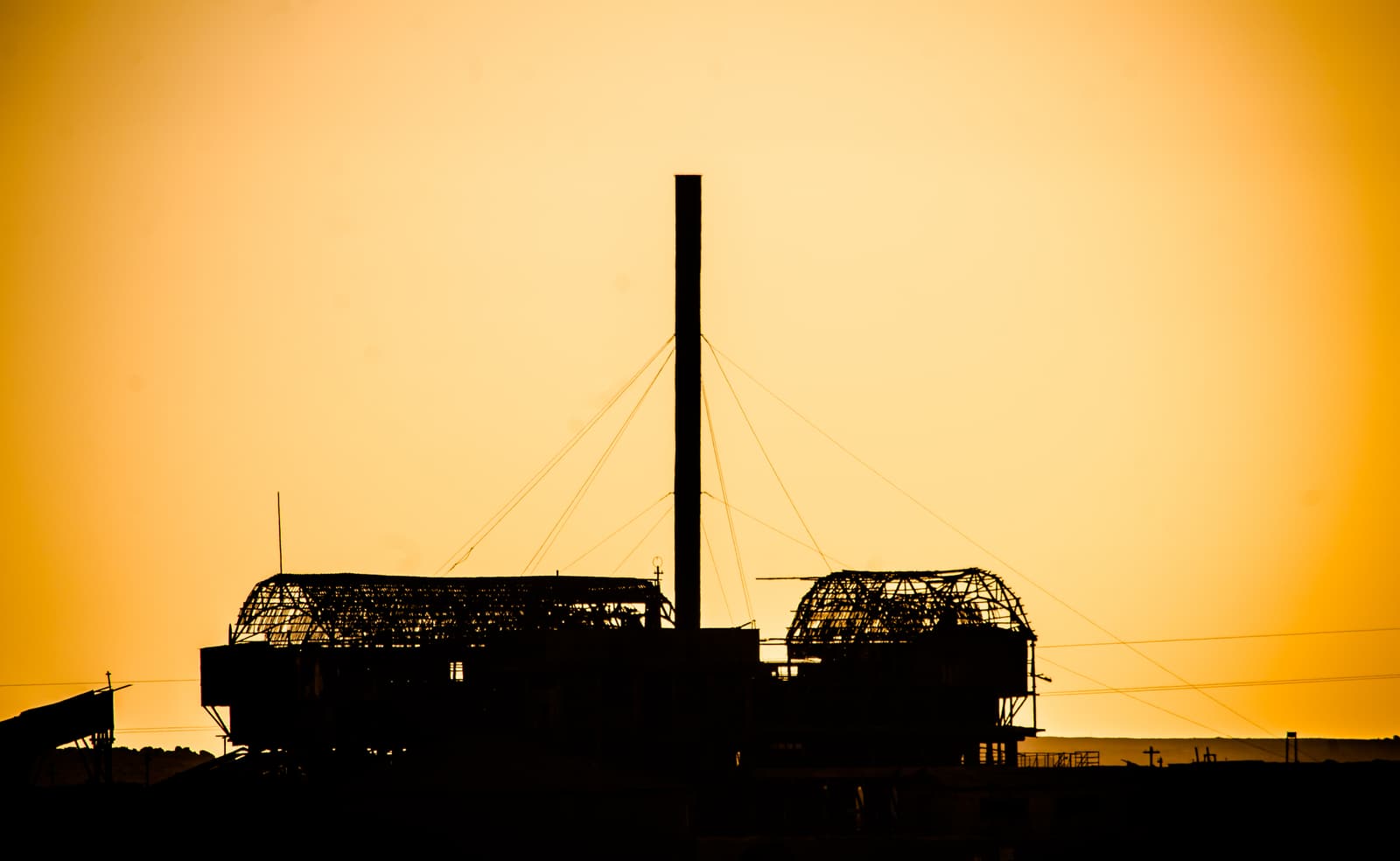
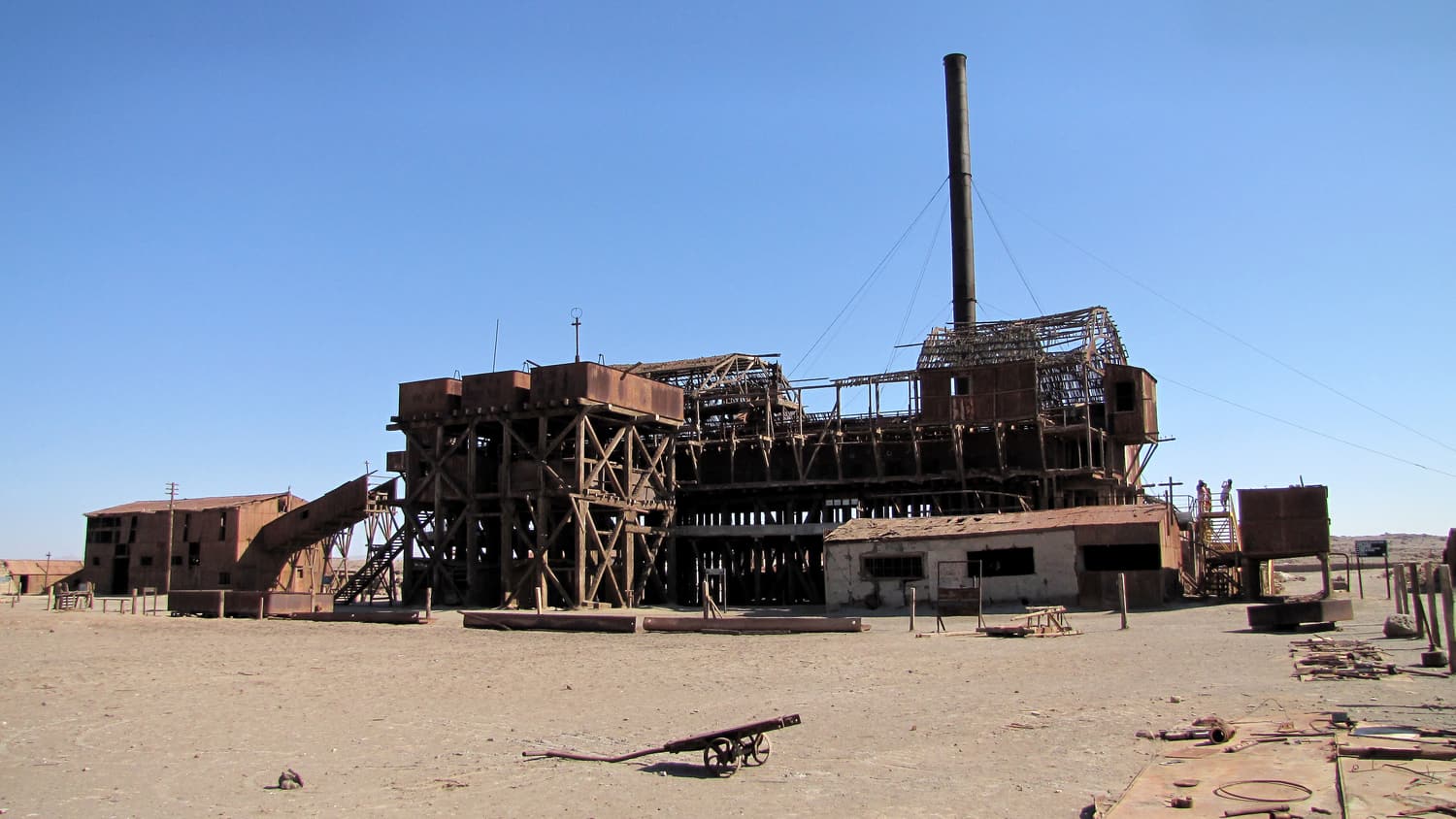
Two abandoned nitrate works in the desert 47 km east of Iquique, preserved by the dry air since they closed around 1960. Humberstone is a complete company town with a theatre, market and iron swimming pool; Santa Laura keeps its towering leaching plant. Together they are a UNESCO World Heritage Site.
 The pampa: saltpeter towns, oases & geoglyphs
 Pica & Matilla
A green oasis of lemons and warm springs
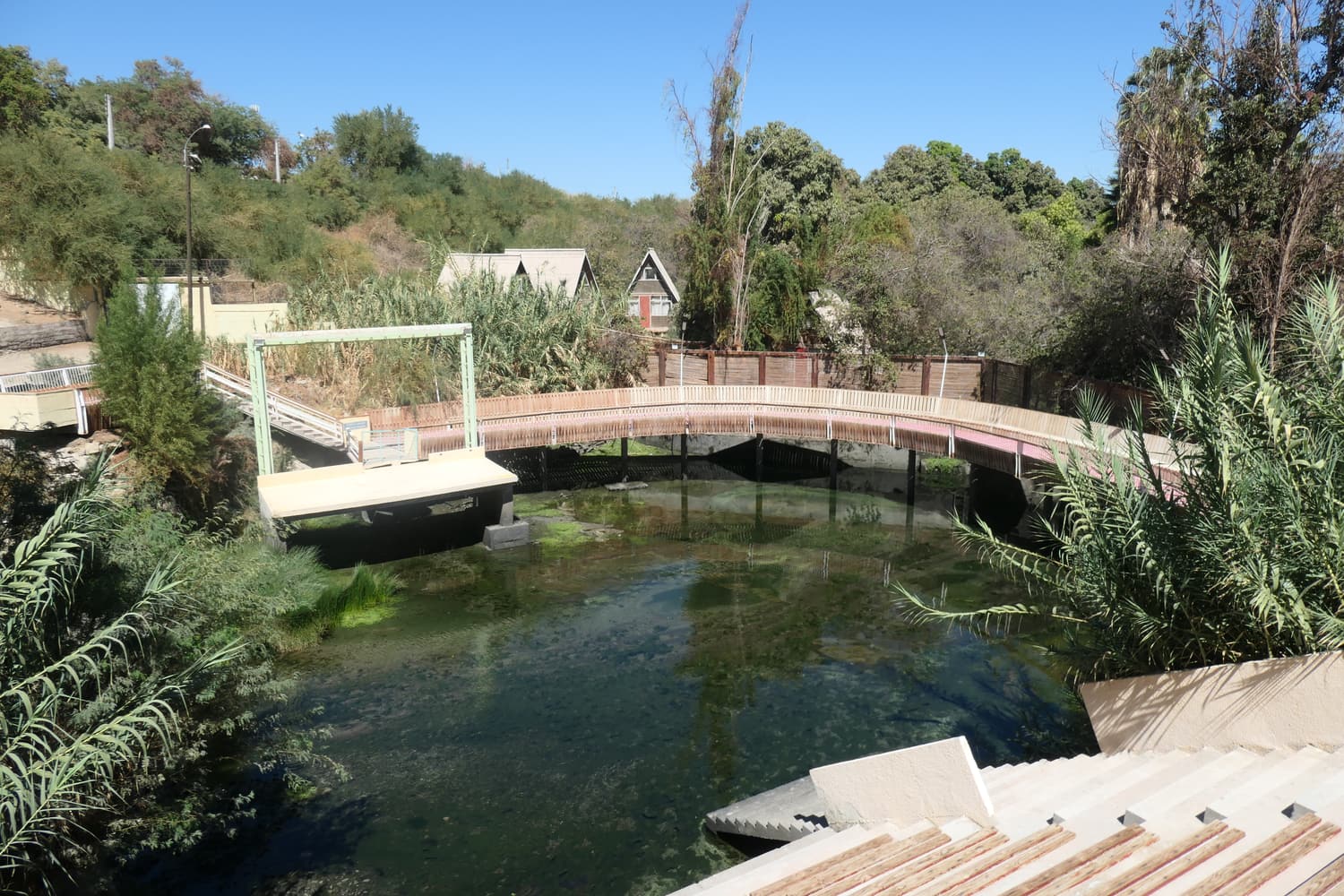
An oasis town about 115 km south-east of Iquique where warm spring water turns the desert into orchards of mango, guava and the small, fragrant limón de Pica. People come to swim in the Cocha Resbaladero rock pool, drink fresh juice and see the churches of Pica and neighbouring Matilla.
 The pampa: saltpeter towns, oases & geoglyphs
 Atacama Giant & Pintados
Messages drawn on the desert
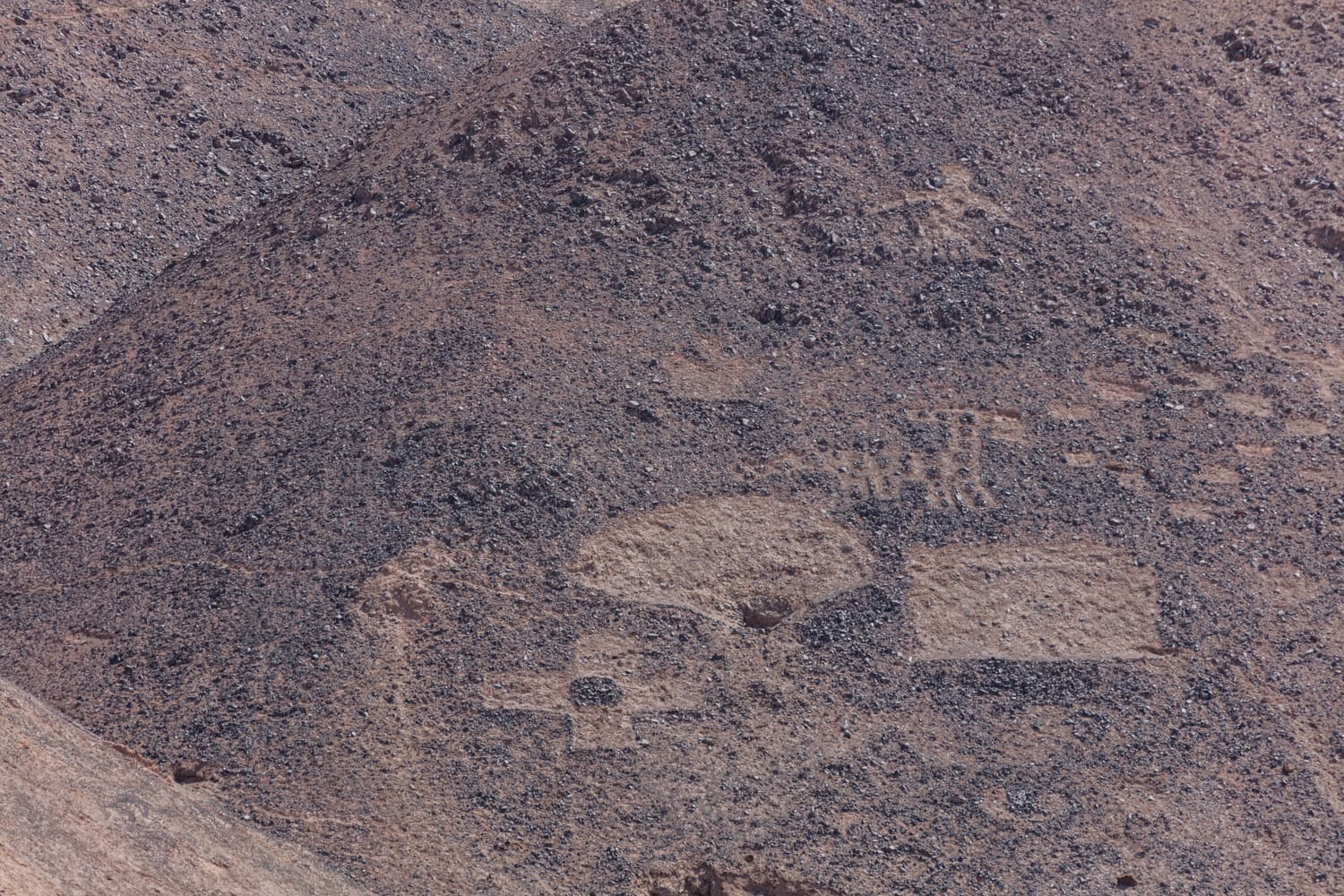
Two of the great geoglyph sites of the Americas. On Cerro Unita, east of Huara, the Atacama Giant is among the largest prehistoric human figures in the world; at Pintados, to the south, hundreds of figures of people, llamas and geometric signs cover the hillsides beside an old caravan route.
 The pampa: saltpeter towns, oases & geoglyphs
 La Tirana
Chile’s biggest religious festival
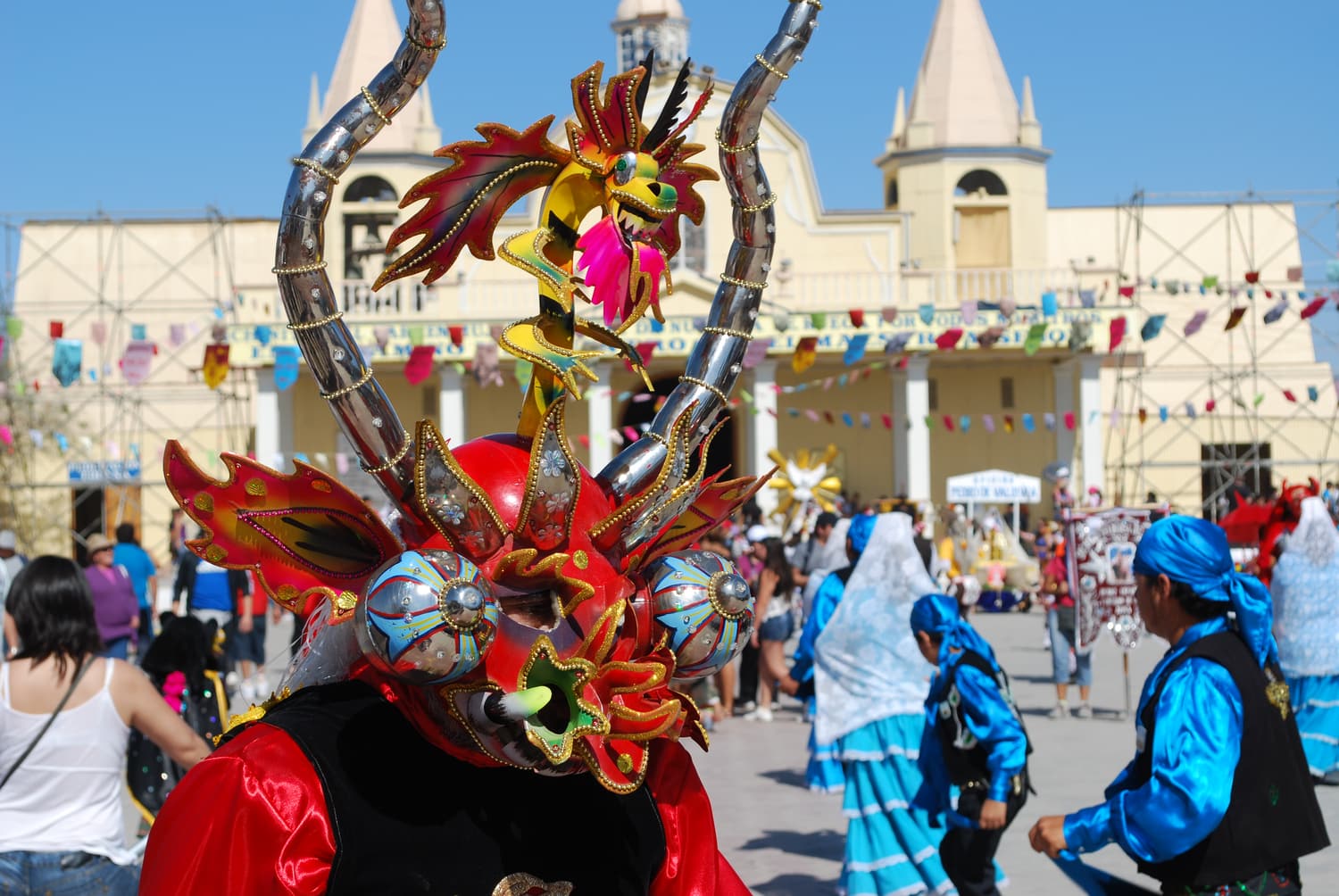
A quiet village in the Pampa del Tamarugal that, for a week each July, receives hundreds of thousands of pilgrims and dancers for the Fiesta de La Tirana in honour of the Virgen del Carmen. Masked diabladas, brass bands and drums fill the square around the sanctuary day and night.
The altiplano
 The altiplano
 Salar del Huasco
Flamingos at 3,800 metres
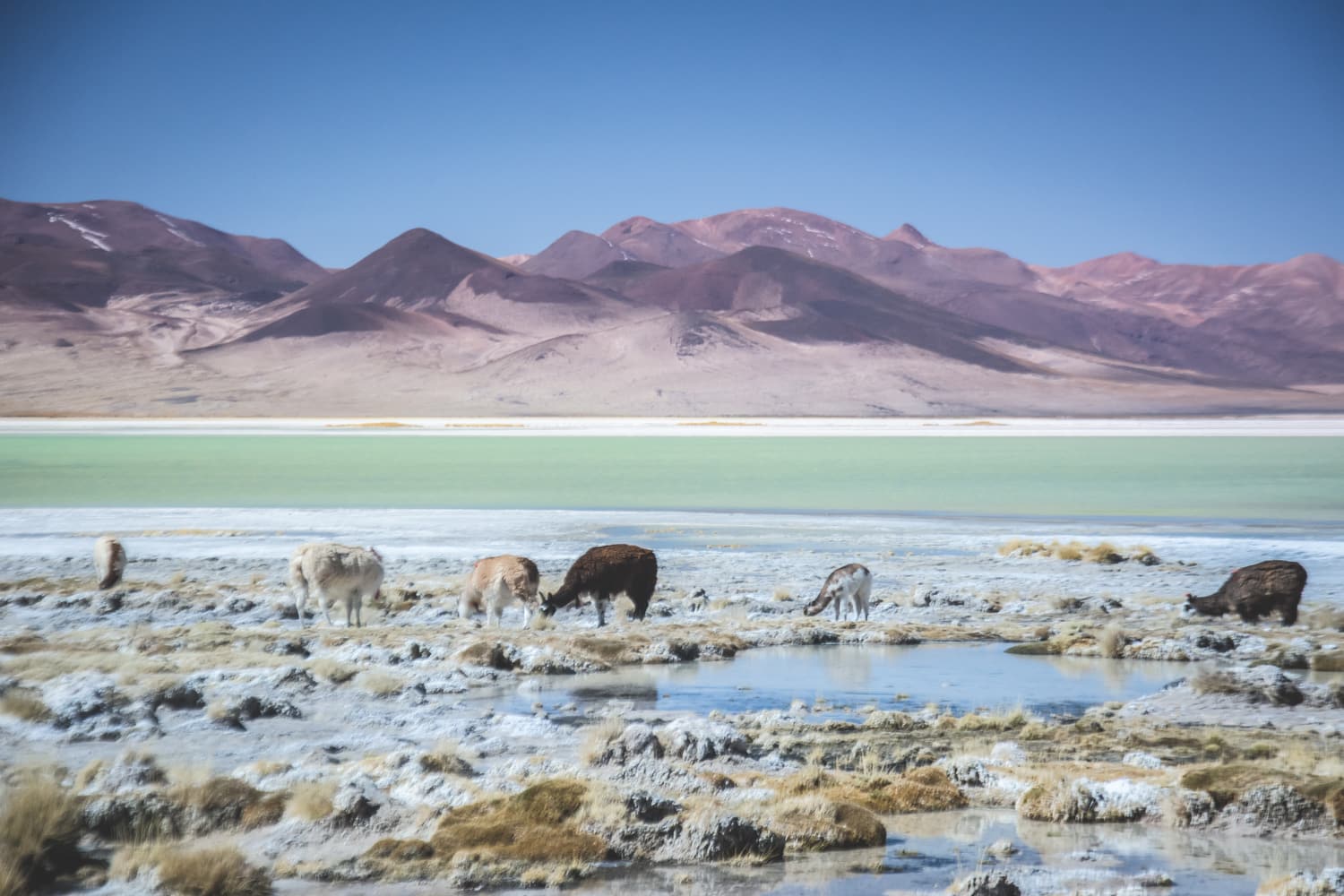
A wide salt flat and lagoon high in the Andes east of Pica, ringed by volcanoes and visited by flamingos, vicuñas and other altiplano wildlife. It is a Ramsar-listed wetland and one of the least-visited great landscapes of northern Chile — remote, cold and very high.
 The altiplano
 Isluga Volcano National Park
Aymara villages under a smoking volcano
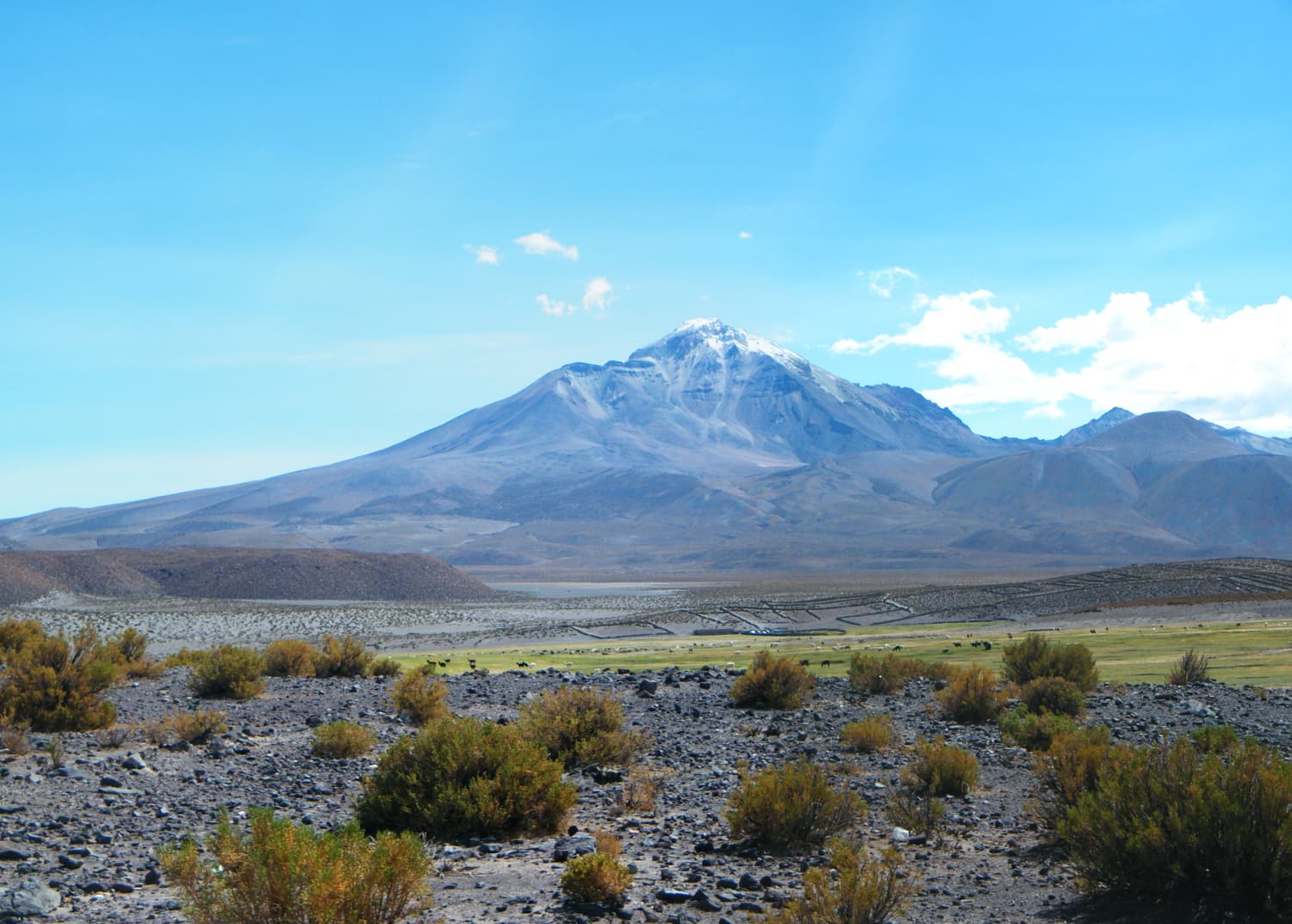
A high-altitude national park on the Bolivian border, some 230 km north-east of Iquique. Beneath the 5,550 m Isluga volcano lie bofedal wetlands grazed by llamas and alpacas, hot springs and the ceremonial village of Isluga with its whitewashed 17th-century church.
Also worth knowing about
Mamiña, a highland village about 125 km east of Iquique at roughly 2,700 m, is known for its hot springs and mud baths and has a few simple hotels. ZOFRI, the duty-free zone at the north end of the city, is covered in our travel guide.
A sensible four-day plan: Day one, Plaza Prat, Baquedano and the Esmeralda museum, then sunset on Cavancha. Day two, a paragliding flight in the morning and sandboarding on Cerro Dragón in the late afternoon. Day three, Humberstone and Santa Laura, La Tirana and a swim in Pica. Day four, the Atacama Giant and Pintados by rental car — or a beach day before the bus onwards.
Plan your days in Iquique
Fly over the city, then head for the pampa
Iquique has some of the most reliable flying weather on earth. Compare paragliding, sandboarding and city tours and book in a couple of taps.